Only Fins - Episode 3
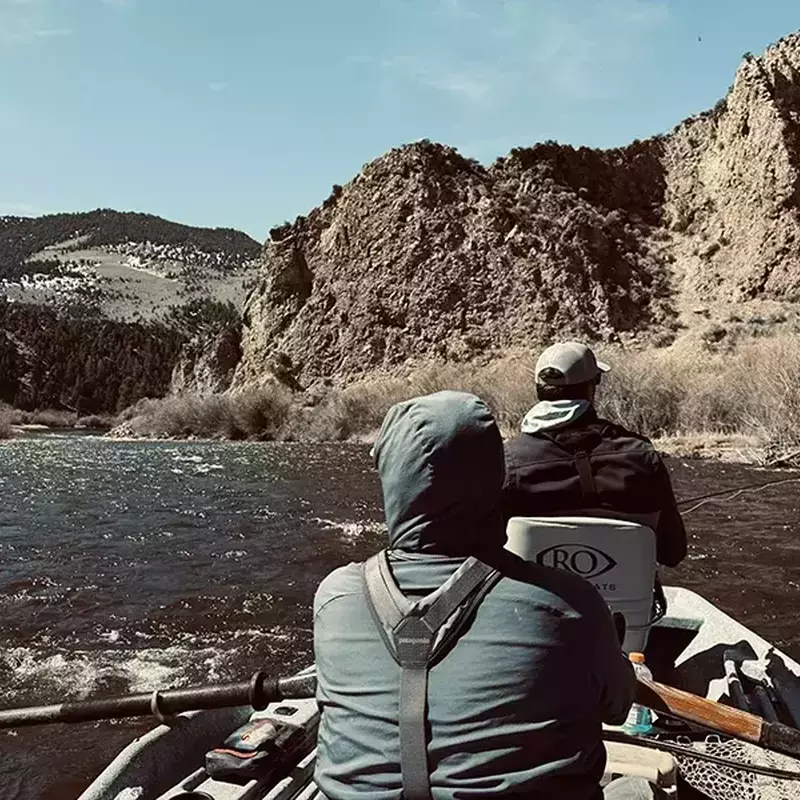
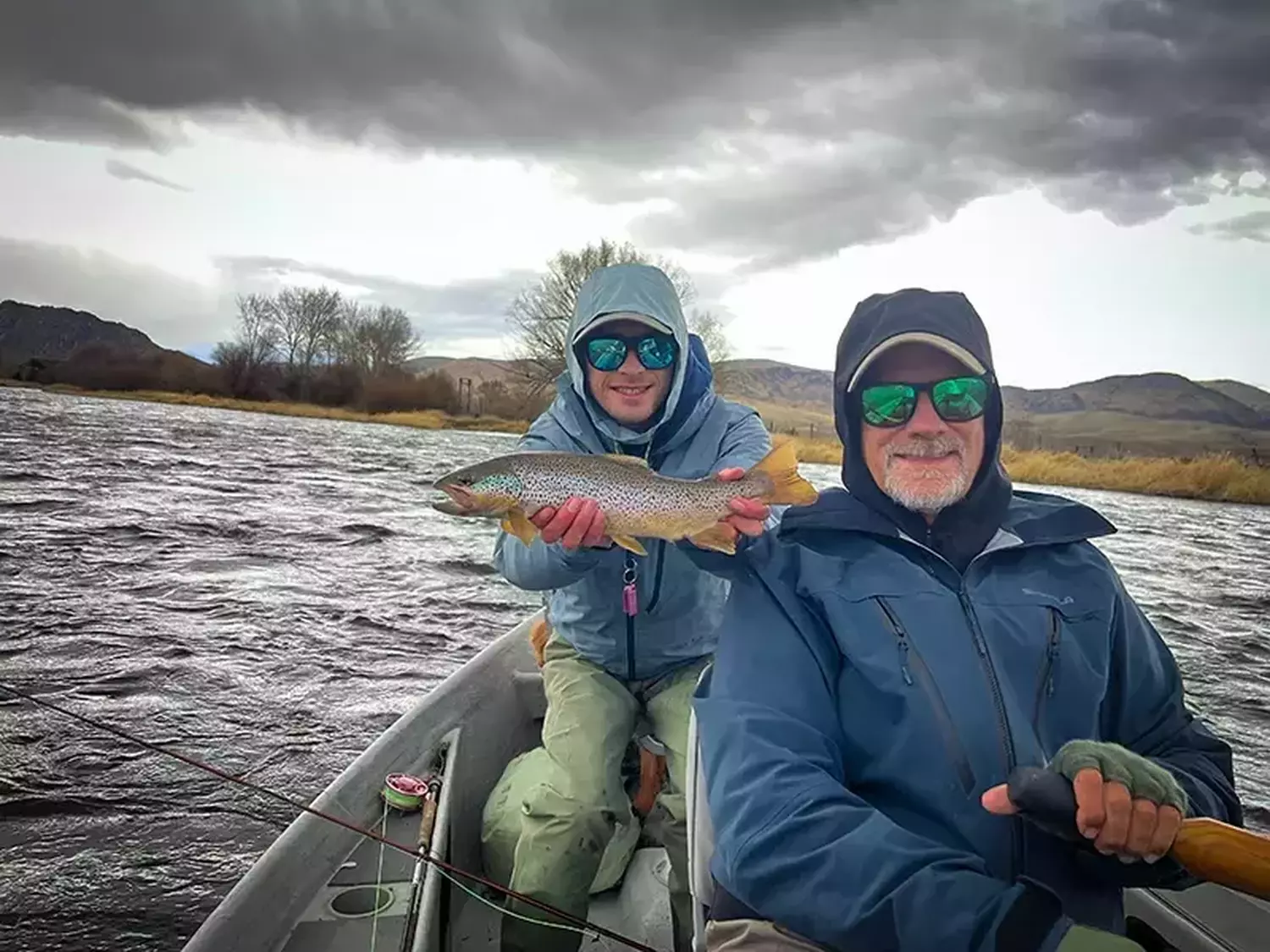
Listen in to Episode 3 of the Only Fins podcast with Toby and Alex from Fins and Feathers Guide Service.
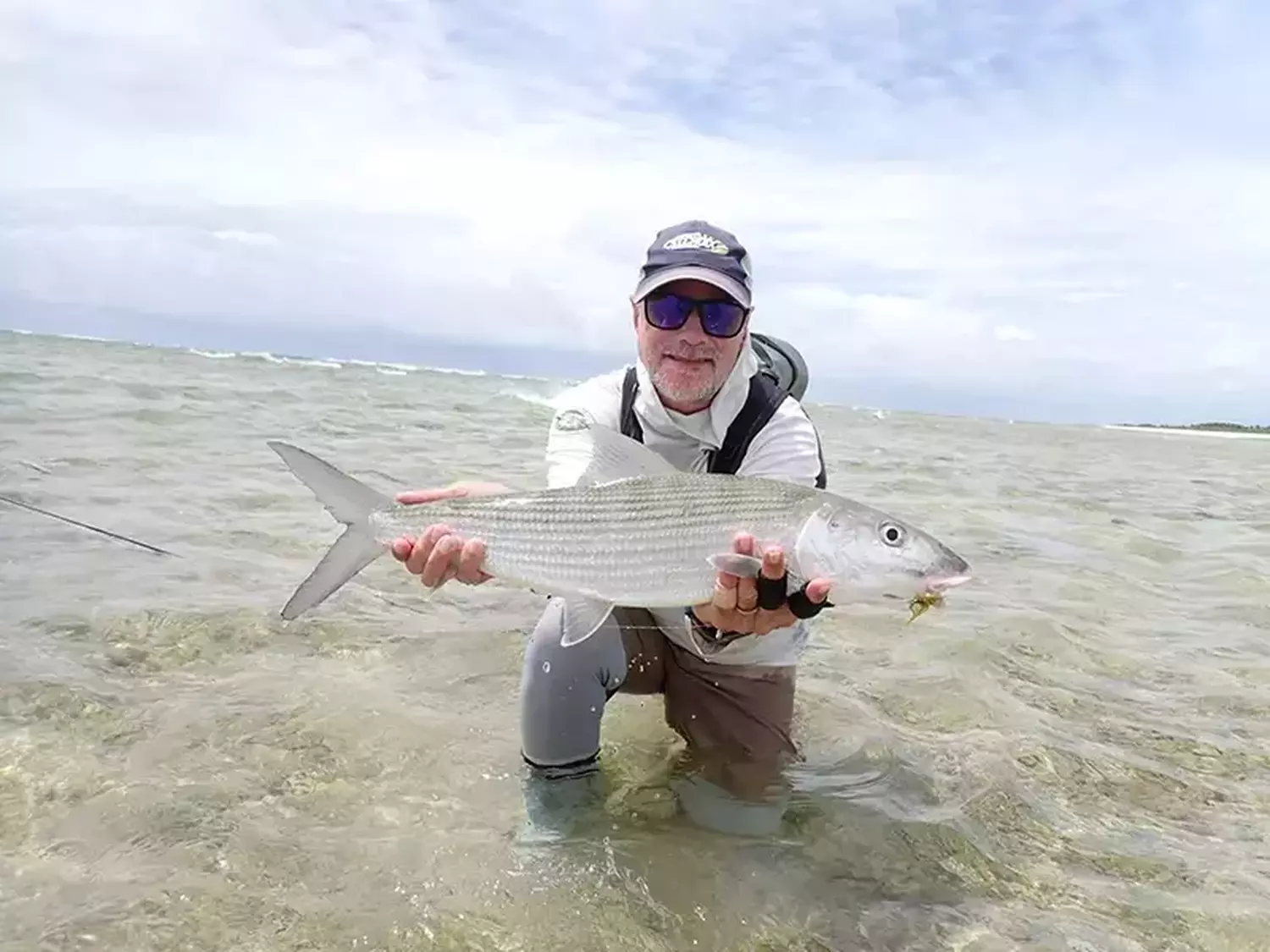
The guys talk local fishing and then segue into a discussion on their fly fishing travels, focusing on a couple of trips to the Seychelles.
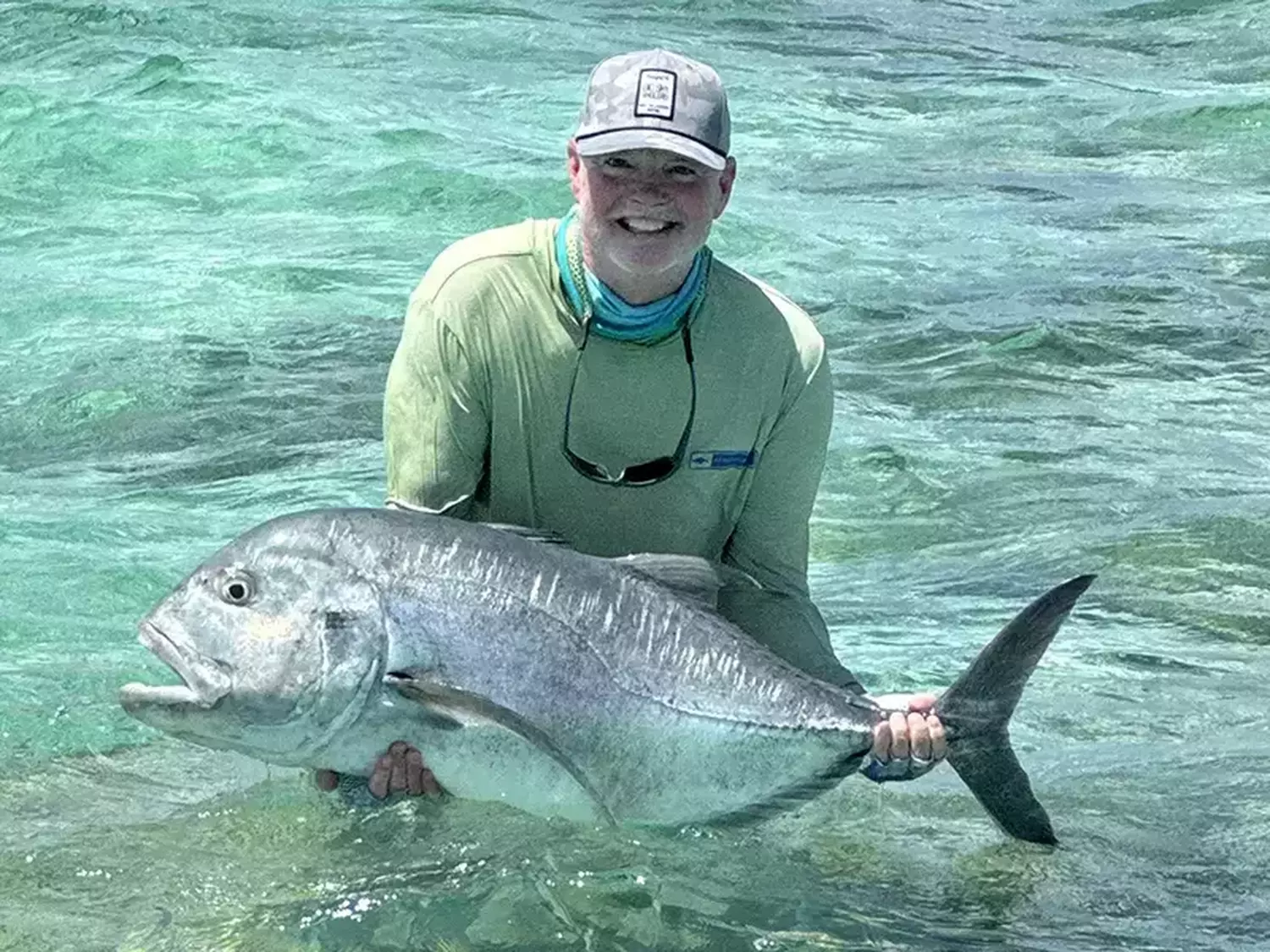
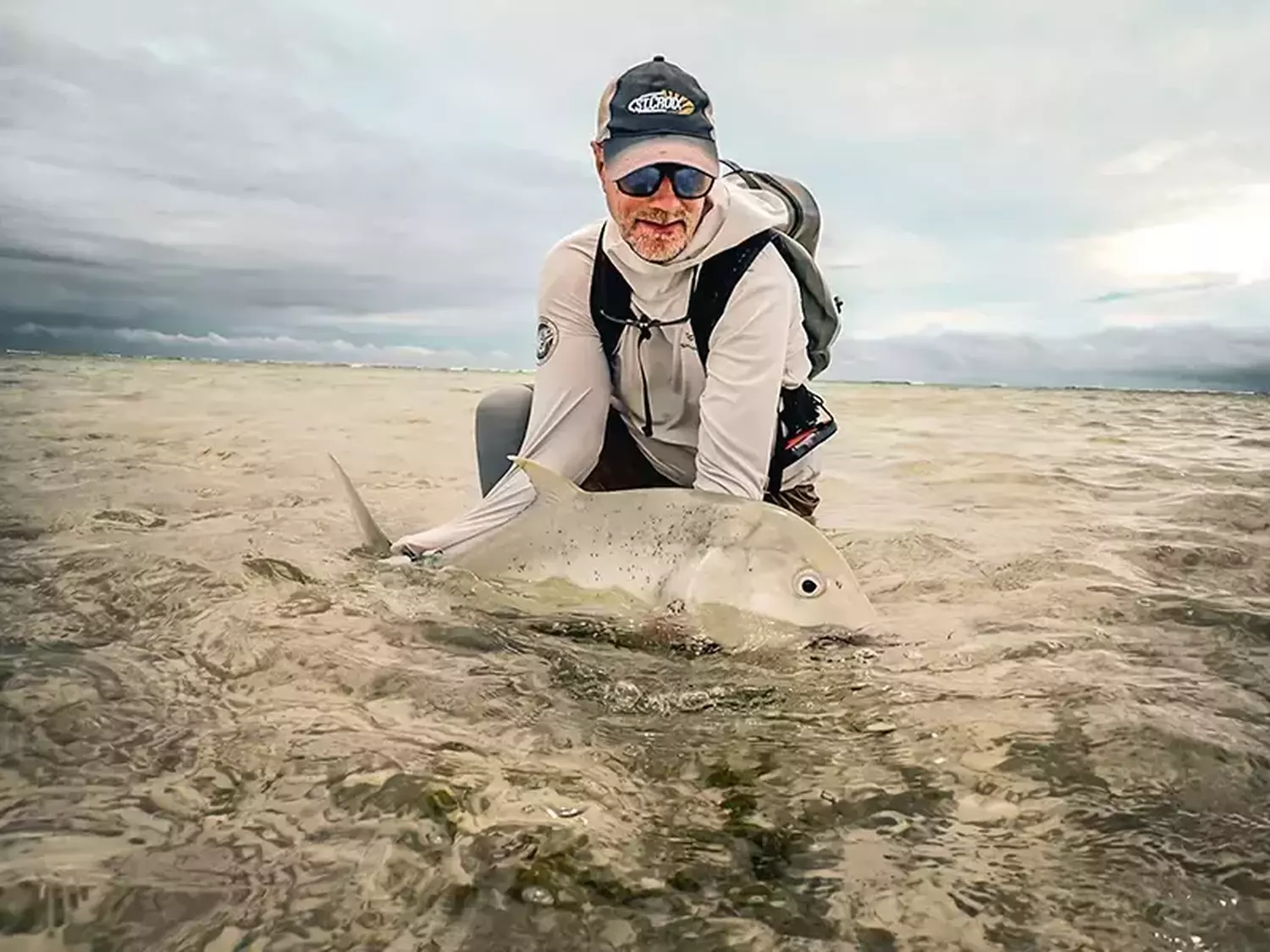
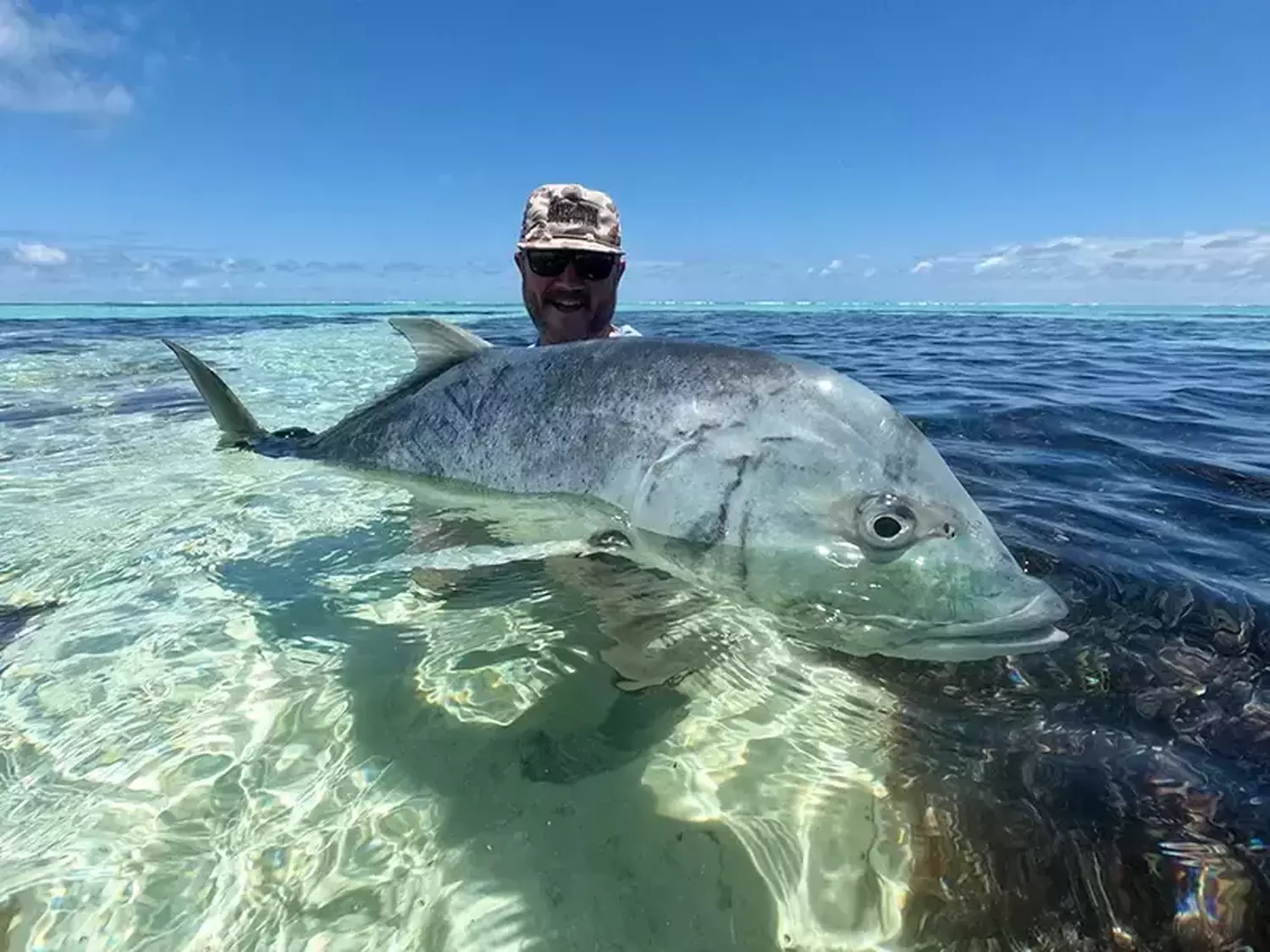
Toby goes off on a tangent about one of his favorite species to target, the Giant Trevally, reliving several amazing moments that put fishing for these near the top of the list.
Click the Play Button Below to Listen
The Only Fins podcast features discussions on all things fly fishing, from the uniquely different perspectives of Alex and Toby Swank. Together with a team of Bozeman fly fishing guides, this father-and-son duo is Fins and Feathers Guide Service. Founded in 2000 as a fly shop and Montana fly-fishing outfitter, they sold the fly shop in 2022 to focus solely on sharing their passion for fly fishing through outfitting on Montana's wild trout waters.
Toby:
Welcome back to the Fins and Feathers Guide Service podcast. We’re still working on the final name—“Only Fins” is currently in the lead.
Alex:
I like it. Not sure how it’ll land with everyone, but we’ll see.
Toby:
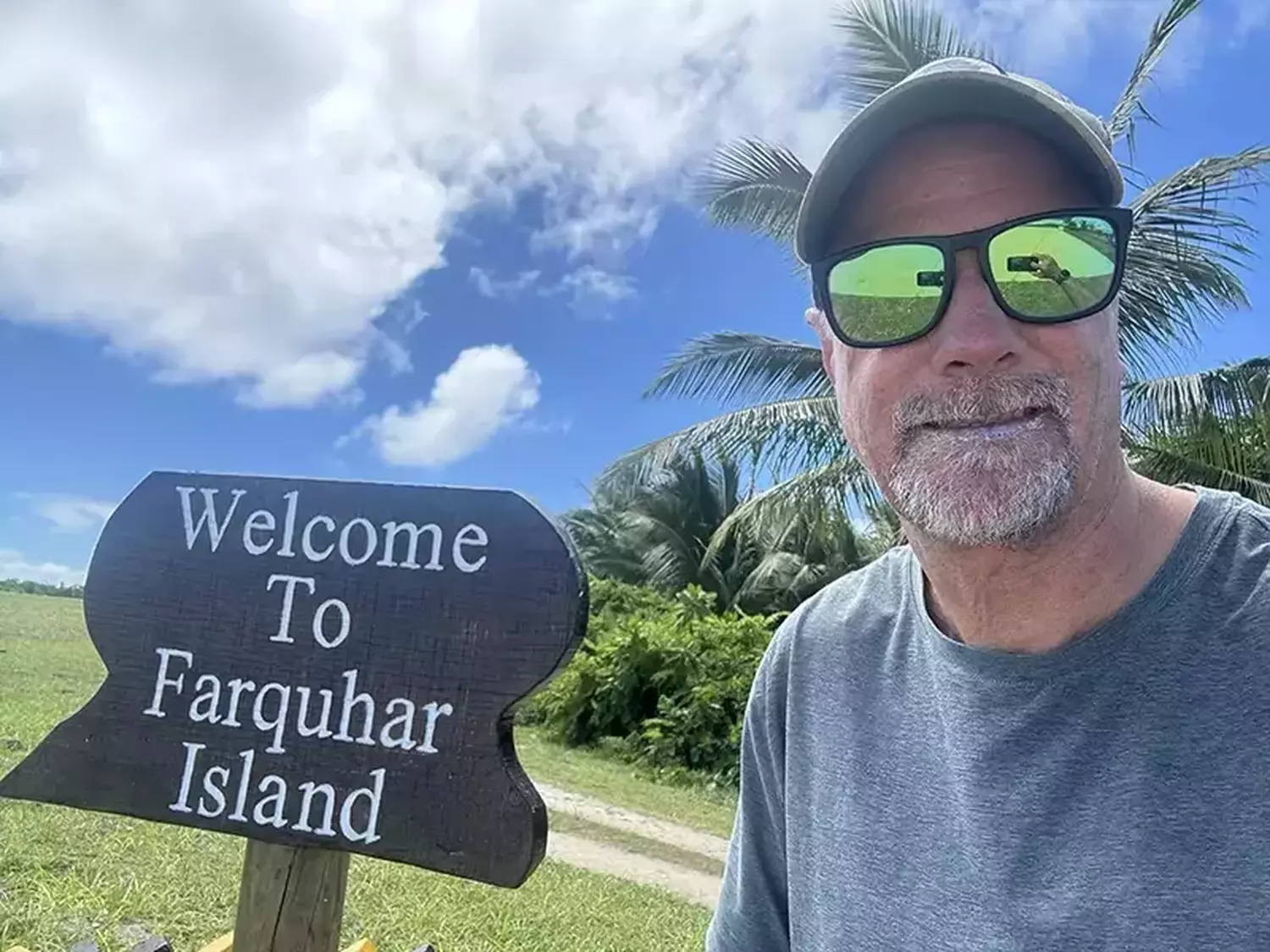
Today we’ll start with a fishing report from southwest Montana, then talk about my recent trip to Farquhar Atoll in the Seychelles.
Local Fishing Report
Alex:
We didn’t have much of a winter, so we’ve been targeting cloud cover when we can. We’re seeing more baetis activity—on the lower Madison yesterday there were bugs coming off even in bright sun, and fish rising in softer water.
Toby:
The Big Hole just opened April 1st. This time of year is one of my favorites—water warms quickly, so you can mix streamer fishing and nymphing, and we also get solid Skwala dry fly action.
A chubby with a dropper—worm, stonefly, or perdigon—is a great setup.
Alex:
We’ve mostly been nymphing. We fished the Beaverhead opener and… I outfished him.
Toby:
First time in his life. I was so sick I went home and threw up.
Alex:
He ate a bad candy bar.
Toby:
The upper Madison has been fishing well too. Rainbows are pushing upriver to spawn—focus on deeper seams and avoid redds.
Alex:
Yeah—leave spawning fish alone. Fish below them.
Toby:
Yellowstone’s been mixed—some sections getting off-color. Typical spring conditions.
One thing this time of year: don’t rush out early. It’s still cold. Fishing really starts picking up late morning, around 11.
Alex:
Overall, fishing around Bozeman is good right now—everything but the Jefferson is worth your time.
Toby:
Spring might actually be my favorite season now. Good dry fly opportunities, fewer crowds, and consistent action across techniques.
Seychelles Trip – Farquhar Atoll
Alex:
Last year we went to the Seychelles together. This year you went without me—what stood out?
Toby:
First thing—travel. It’s a long way. This time I planned better: longer layovers, got a hotel in Doha, rested. That made a huge difference arriving ready to fish.
Farquhar is extremely remote—closer to Madagascar than the main Seychelles islands. It’s known for giant trevally (GTs), including the famous footage of GTs eating birds.
Alex:
What makes GTs so special?
Toby:
They’re incredibly powerful and surprisingly smart. They don’t just eat everything—you have to present the fly perfectly.
When they do eat, though, it’s explosive. A lit-up GT chasing a fly is unlike anything else.
GT Fishing
They’re using large “beast flies”—big-profile baitfish patterns with extended materials to create movement and visibility in shallow water.
You’re often casting 20–40 feet away so you don’t spook fish, but still get their attention.
Toby:
The most exciting part is timing tides. On big spring tides, fish pour onto the flats when water starts moving. Everything turns on at once—GTs, rays, sharks, triggers.
Big Fish Stories
Toby:
One of the most memorable moments was watching a friend hook a massive GT—over a meter long.
It was chaos. The fish ran through coral, the guide was jumping in and out of the boat freeing line, and we were chasing it hard just to stay connected.
No margin for error. Total intensity for 10+ minutes.
Another day, a friend hooked an even bigger fish—around 130 cm, likely close to 100 pounds.
That kind of fish is rare. Everything had to go perfectly—guide positioning, pressure, boat handling.
Alex:
What are the odds of landing something like that?
Toby:
Low. Very low. But when it comes together, it’s incredible.
Toby:
I hooked a good one myself later—complete chaos again. Line wrapped around me, fish running, trying to stay connected. It’s physical, dangerous, and intense.
That’s when you realize—this is about as big and powerful as fish get.
Other Species
Farquhar isn’t just GTs:
- Triggerfish
- Bumphead parrotfish (“bumpies”)
- Groupers, snappers, wrasse
Toby:
Bumpies are unique—you’re not really “fishing” for them traditionally. You’re putting your fly into a school and trying to come tight as they move through it.
Interesting, but not as engaging as GTs for me.
Perspective on Fishing
Toby:
At the end of the day, I just love fishing—whether it’s GTs in the Indian Ocean or trout in Montana.
But GT fishing is different. If I had easier access, I’d do a lot more of it.
Alex:
And yet you’re just as happy nymphing the Beaverhead.
Toby:
Exactly. It’s all about being out there.
We’re lucky to experience these environments—whether it’s a small pond or a remote atoll, we’re interacting with a completely different world.
Travel & Gear Reality
Alex:
One thing about these trips—gear prep is a big deal. What do people get wrong?
Toby:
A lot.
The biggest one: people don’t think about conditions. Weather matters more than anything, and it’s unpredictable.
Fly shops often won’t tell you that. They’ll sell flies and gear, but not prepare you for reality.
You need to go in knowing:
- Conditions will vary
- Weather will impact fishing
- You need to adapt
Toby:
Fishing is always “good”—but conditions determine how good it is.
From The Montana Fly Fishing Blog

Category: Bozeman Fly Fishing Trip Planning
When Is the Best Time to Fly Fish in Montana? A Complete Seasonal Guide
Post Date: 11/19/2025
Plan your Bozeman fly fishing trip around the best times of the year when water conditions, hatches, and trout activity are at their peaks to get the most out of...
Read Article